Last Updated: October 13, 2026
Stucco repair is an essential maintenance task that ensures the longevity and beauty of your home’s exterior. This post is designed for homeowners who want to learn how to identify stucco damage and perform repairs themselves.
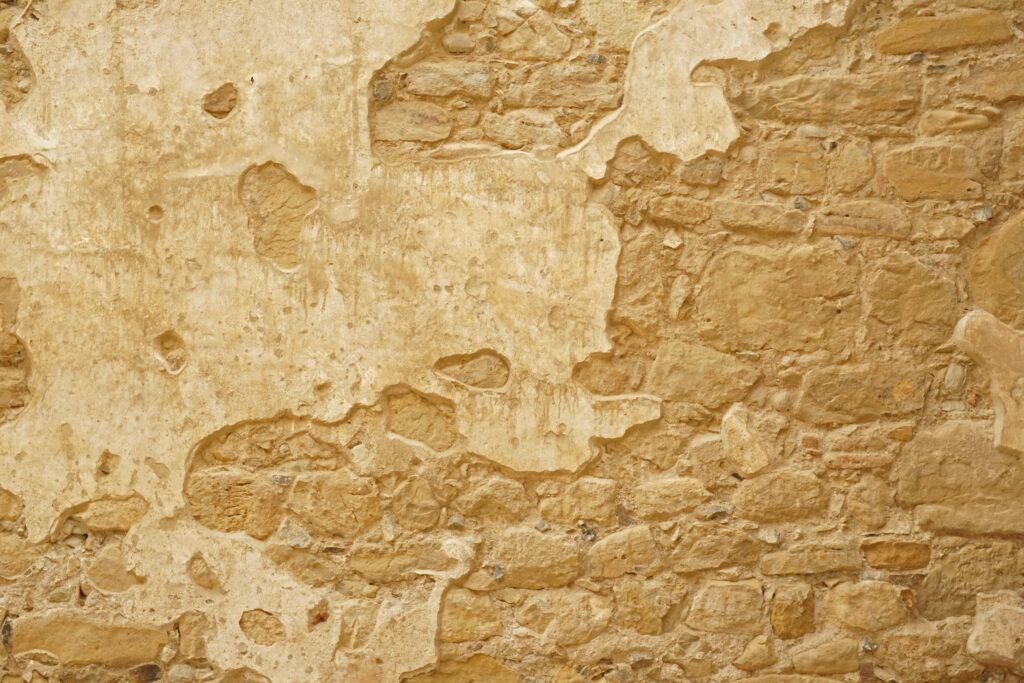
You may not pay much attention to the exterior of your house, but it plays a crucial role in protecting your home from the elements. Over time, the stucco on your walls can start to show signs of wear and tear, with cracks and chips becoming more noticeable. Don’t worry, though! Our article on “Stucco Repair” will guide you through the process of restoring your stucco, ensuring that your home remains not only visually appealing but also structurally sound. Discover the essential steps to take, materials needed, and tips for a successful repair job. Get ready to transform your home and give it the TLC it deserves!

Understanding Common Causes of Stucco Damage
Stucco is a popular exterior finish used on many homes and buildings due to its durability and aesthetic appeal. However, just like any other material, stucco can be prone to damage over time. Understanding the common causes of stucco damage can help you take proactive measures to prevent and address any issues that may arise.
Weather Conditions: A Major Culprit in Stucco Damage
One of the primary causes of stucco damage is exposure to harsh weather conditions. Extreme temperatures, heavy rain, snow, and ice can take a toll on the stucco surface over time. Long-term exposure to these elements can cause the stucco to expand and contract, leading to cracks and crumbling.
The Role of Improper Installation in Stucco Problems
Another common cause of stucco damage is improper installation. When stucco is not applied correctly, it can lead to a variety of issues. Poor mixing of the stucco mixture, inadequate drying time, or improper application technique can result in weak spots and vulnerability to damage.
Effects of Structural Movement on Stucco
Buildings naturally experience some degree of structural movement over time. This movement can be caused by factors such as settling of the foundation, soil shifting, or temperature fluctuations. As the building shifts, stucco may crack or develop other forms of damage.
The Impact of Moisture Intrusion
Moisture intrusion is a significant concern for stucco exteriors. When water seeps through cracks or gaps in the stucco, it can lead to serious damage, including mold growth, rotting wood, and deterioration of the stucco itself. Constant exposure to moisture can weaken the stucco and compromise its integrity.
Understanding Cracking: A Common Stucco Issue
Cracking is a prevalent form of stucco damage and can be caused by various factors. As mentioned earlier, weather conditions and structural movement can contribute to cracking. Additionally, poor stucco mixture ratios, inadequate thickness, or improper curing can also lead to cracks in the stucco surface.
Preventing Impact Damage to Stucco
Accidental impacts, such as a stray baseball or hailstorm, can cause significant damage to stucco exteriors. These impacts can chip or crack the stucco, leaving it vulnerable to further damage if not addressed promptly.
An expert from the National Association of Home Builders states that regular inspection and timely repair of stucco damage can extend the lifespan of your home’s exterior by up to 20 years.
Identifying Stucco Damage: Key Signs You Can’t Ignore
To effectively repair stucco, it is crucial to identify the specific types of damage correctly. Here are some common signs of stucco damage to look out for:
Visible Cracks: An Obvious Indicator of Stucco Damage
Cracks are one of the most evident signs of stucco damage. They can vary in size and depth and typically appear in a spiderweb-like pattern. Cracks may be present in different areas of the stucco surface and can be caused by various factors, as mentioned earlier.
Bulging or Blistering: What It Means for Your Stucco
Bulging or blistering occurs when the stucco separates from the underlying substrate, creating a raised or distorted area. This can be caused by moisture intrusion, improper installation, or structural movement. Bulging or blistering is a sign that the stucco has lost its adhesion and needs repair.
Understanding Efflorescence in Stucco
Efflorescence refers to the white powdery substance that appears on the surface of stucco. It is caused by the migration of minerals from within the stucco to the surface. This can occur when water infiltrates the stucco and evaporates, leaving behind mineral deposits. Efflorescence is an indication of moisture-related issues and should be addressed promptly.
Causes of Stains or Discoloration in Stucco
Stains or discoloration are signs that water has penetrated the stucco and caused damage. Stains can vary in color, appearing as dark spots or streaks. Discoloration can also occur due to mineral deposits, mold, or mildew growth. Identifying the source of the stain or discoloration is crucial to determine the appropriate repair method.
Dealing with Mold or Mildew Growth in Stucco
Mold or mildew growth is a clear indication of excessive moisture and poor ventilation. If left untreated, mold and mildew can cause serious health risks and further damage to the stucco and underlying structure. It is essential to address mold or mildew growth promptly and identify and repair the source of the moisture issue.
Recognizing Soft or Hollow Sounding Areas in Stucco
When tapping on the stucco surface, soft or hollow sounding areas can indicate underlying damage or deteriorated stucco. These areas may be more vulnerable to further damage and should be repaired to prevent weakening of the condition.
Essential Tools and Materials Needed for Accurate Stucco Repairs
To successfully repair stucco, you will need a set of tools and materials. Here’s a list of what you’ll need:
The Importance of Protective Gear for Stucco Repair
Before starting any stucco repair work, it’s essential to prioritize your safety. Wear protective gear such as safety goggles, gloves, and a dust mask to protect against injuries and exposure to dust particles.
Using Stucco Patching Compound for Repairs
A quality stucco patching compound is necessary to fill cracks and repair damaged areas of the stucco surface. Choose a compound that is suitable for exterior use and matches the color and texture of your existing stucco.
Wire Brush: Preparing the Stucco Surface
A wire brush is an essential tool for cleaning and preparing the damaged area before applying the patching compound. Use the wire brush to remove loose stucco and create a clean surface for the repair.
The Role of a Chisel in Stucco Repair
A chisel is useful for carefully removing any loose or deteriorated stucco from the damaged area. This will allow you to create a smooth and stable surface for the patch.
A Hammer for Precision in Stucco Repair
A hammer is needed to gently tap the chisel while removing loose stucco. It’s important to use caution and avoid excessive force to prevent further damage to the stucco or underlying structure.
Using Masonry Nails for Stucco Stability
Masonry nails can be used to secure loose or bulging areas of the stucco. These nails help reattach the stucco to the underlying substrate and provide additional stability.
Trowel: An Essential Tool for Stucco Application
A trowel is a must-have tool for applying the stucco patching compound. It allows for precise application and smooth finishing of the repaired area.
The Versatile Sponge in Stucco Repair
A sponge is useful for cleaning the area, applying water during the curing process, and achieving the desired texture on the repaired stucco.
The Need for a Bucket in Stucco Repair
A bucket is needed to mix the stucco patching compound and provide a convenient container for holding water and cleaning tools.
Waterproofing Sealant: For Long-lasting Stucco Repairs
After completing the stucco repair, applying a waterproofing sealant is essential to protect the repaired area from future moisture intrusion. Choose a high-quality sealant that is compatible with stucco and follows the manufacturer’s instructions for application.
Preparing the Stucco Surface for Effective Repairs
Before applying any stucco patching compound, it’s crucial to prepare the damaged area properly. Follow these steps:
Cleaning the Stucco Area Thoroughly
Begin by using a wire brush to clean the damaged area. Remove any loose stucco, dirt, or debris that may interfere with the repair process. Thoroughly clean the surface to ensure proper adhesion of the patching compound.
Carefully Removing Loose Stucco
Use a chisel and hammer to carefully remove any loose or deteriorated stucco from the damaged area. Take your time and avoid exerting excessive force, as this can cause further damage to the stucco or substrate.
Applying Bonding Agent for Better Stucco Adhesion
Once the area is clean and free of loose stucco, apply a bonding agent to promote adhesion between the existing stucco and the patching compound. Follow the manufacturer’s instructions for applying the bonding agent and allow it to dry before proceeding with the patching process.

Steps for Effectively Applying the Stucco Patch
After preparing the stucco surface, it’s time to apply the stucco patching compound to repair the damaged area. Follow these steps:
Mixing the Stucco Patching Compound Correctly
Refer to the instructions provided by the manufacturer of the stucco patching compound for proper mixing ratios. Mix the compound thoroughly in a bucket using a trowel or a mixing paddle attached to a drill. Aim for a smooth and workable consistency that is easy to apply.
Filling the Cracks with Care and Precision
Using a trowel, carefully fill the cracks or damaged areas with the stucco patching compound. Apply the compound in thin layers, ensuring each layer is evenly distributed and fully fills the crack or damaged area. Smoothen the surface of each layer with the trowel before applying the next layer.
Smoothing the Stucco Surface: Key Techniques
Once the damaged area is filled with the patching compound, use a trowel to smoothen the surface. Blend the edges of the repair with the surrounding stucco to create a seamless transition. Apply gentle pressure and smooth the surface in all directions until the repaired area matches the texture of the existing stucco.
Texturing the Stucco Patch for Uniformity
To achieve a uniform look, you can texture the patch to match the texture of the surrounding stucco. Use a sponge or other texturing tools to create the desired finish. Gently dab or swirl the surface of the repaired area to replicate the texture of the surrounding stucco.
Curing Time and Its Importance in Stucco Repair
After completing the stucco patch, allow the compound to cure according to the manufacturer’s instructions. This may involve misting the area with water periodically to facilitate proper drying and curing. Once the patch is fully cured, it will be ready for further finishing and sealing.
Tackling Large Stucco Holes: A Step-by-Step Guide
For larger holes or areas of extensive damage, a more comprehensive repair process is required. Here’s a step-by-step guide to repairing large stucco holes:
Creating a Supportive Frame for Stucco Repairs
When dealing with large stucco holes, it’s important to create a frame or form to support the repair. Use wooden stakes or boards to outline the area of the hole and secure them firmly into the surrounding stucco or substrate. This frame will provide a structure for applying the repair materials.
Attaching a Reinforcing Wire Mesh
After creating the frame, attach wire mesh to it using masonry nails. This wire mesh will act as a reinforcement for the repair and help prevent future cracking or separation.
Applying Initial Scratch Coat in Stucco Repair
Mix a scratch coat of stucco, following the manufacturer’s instructions for proper mixing ratios. Apply the scratch coat onto the wire mesh, using a trowel to ensure even coverage. Texturize the surface of the scratch coat to create a suitable bonding surface for the subsequent layers.
Adding a Sturdy Brown Coat to the Stucco Repair
Once the scratch coat has dried and cured, apply a brown coat of stucco over it. The brown coat will provide additional thickness and a smoother surface for the final finish. Smooth and level the brown coat using a trowel, ensuring it blends seamlessly with the surrounding stucco.
Applying the Final Finish Coat in Stucco Repair
After the brown coat has cured, it’s time to apply the finish coat of stucco. Mix the finish coat following the manufacturer’s instructions and apply it to the repaired area. Use a trowel to match the texture and appearance of the existing stucco. Feather the edges of the repair to blend with the surrounding stucco, creating a seamless finish.
Ensuring Proper Curing of the Stucco Repair
Allow the stucco repair to fully cure according to the manufacturer’s instructions. This typically involves keeping the repaired area moist by misting it with water periodically. Take care to follow the recommended curing time to ensure the repair sets properly and achieves its full strength.

Achieving Seamless Color Matching and Professional Finishing
Achieving a seamless color match and professional finish is essential when repairing stucco. Here are some tips to help you achieve the desired results:
Color Matching Tips for a Blended Stucco Look
To ensure a proper color match, it’s essential to select a stucco patching compound that closely matches the existing stucco color. Test the color match on a small inconspicuous area before applying it to the entire repair. Adjust the color as needed using tinting agents or by mixing various patching compounds.
Expert Techniques for Applying Finish Coat on Stucco
Depending on the size and complexity of the repair, you may need to apply multiple coats of the finish stucco. Follow the manufacturer’s instructions for proper application techniques, waiting for each coat to dry and cure before applying the next. Use a trowel to match the texture and appearance of the existing stucco, ensuring a seamless and professional finish.
Texturing the Surface to Match Existing Stucco
To achieve a consistent texture, use a sponge or other texturing tools to replicate the texture of the surrounding stucco. Gently dab or swirl the surface of the repair, taking care to match the texture as closely as possible. Pay attention to the direction, depth, and pattern of the texture to achieve a seamless integration with the existing stucco.
The Importance of Adequate Curing Time in Stucco Repairs
Proper curing is crucial for a long-lasting and durable stucco repair. Follow the manufacturer’s instructions for recommended curing times, which may involve misting the repaired area with water periodically. Allow the repair to dry and cure fully before proceeding with any sealing or waterproofing.
Sealing and Waterproofing: Essential Last Steps in Stucco Repair
To protect your stucco repair from future damage and ensure its longevity, it’s important to apply waterproofing sealant. Here’s what you need to do:
Inspecting for Cracks or Gaps Thoroughly in Stucco
Before applying the sealant, inspect the entire stucco surface for any cracks, gaps, or areas vulnerable to moisture intrusion. Address any issues found during the inspection by filling in the gaps or repairing the damaged areas.
Proper Application of Waterproofing Sealant on Stucco
Choose a high-quality waterproofing sealant that is suitable for stucco surfaces. Follow the manufacturer’s instructions for proper application techniques, including the recommended number of coats. Apply the sealant evenly and generously to the entire stucco surface, paying extra attention to vulnerable areas such as seams, joints, and around windows and doors.
Sealing Control Joints Effectively in Stucco
Control joints are intentional gaps or grooves designed to accommodate the natural movement of the structure. These joints must be properly sealed to prevent moisture intrusion. Use an appropriate sealant to fill and seal the control joints, ensuring a watertight and secure connection.

Taking Measures to Prevent Future Stucco Damage
While knowing how to repair stucco is essential, preventing future damage is equally important. Here are some preventive measures to consider:
Regular Inspection and Maintenance Practices for Stucco
Regularly inspect your stucco exterior for signs of damage or wear. Address any issues promptly to prevent further deterioration. Perform routine maintenance tasks such as cleaning, sealing, and ensuring proper drainage to minimize potential damage.
Prompt Fixing of Stucco Issues Is Crucial
If you notice any cracks, bulges, or other signs of stucco damage, address them promptly. Delaying repairs can allow the damage to worsen and lead to more extensive and costly repairs down the line.
Improving Drainage to Protect Your Stucco
Proper drainage is crucial for maintaining the integrity of your stucco exterior. Ensure that downspouts and gutters function properly, directing water away from the stucco surface. Grade the surrounding soil away from the foundation to prevent water from pooling around the stucco.
Sealing Openings Correctly to Protect Stucco
Inspect and seal any openings or gaps in the stucco, such as around windows, doors, vents, and utility penetrations. Use weather stripping, caulk, or appropriate sealants to create a watertight seal and prevent moisture intrusion.
Avoiding Impact Damage Is Essential for Stucco
Take precautions to avoid impact damage to your stucco exterior. Be mindful of activities near the stucco surface and avoid anything that could potentially cause damage, such as stray balls or vehicles. Trim tree branches away from the house to prevent them from rubbing against the stucco and causing abrasion or impact damage.
Finding the Right Professional Stucco Repair Contractor
Although minor stucco repairs can be done by homeowners, extensive or complex repairs may require the expertise of a professional contractor. When hiring a stucco repair contractor, consider the following factors:
The Importance of Research and References for Contractors
Research local stucco repair contractors and ask for recommendations from trusted sources, such as family, friends, or neighbors. Read online reviews and check their portfolio to ensure they have experience in stucco repair and maintenance.
Weighing Experience and Expertise in Stucco Repair
Choose a contractor with significant experience in stucco repair. Look for contractors who specialize in stucco or have a proven track record of successfully completing similar projects. Inquire about their expertise in handling various types of stucco damage and the techniques they employ for repairs.
Verification of License and Insurance for Stucco Contractors
Ensure that the contractor holds the appropriate licenses and certifications required for stucco repair work in your area. They should also carry liability insurance and workers’ compensation insurance to protect against any accidents or damages during the repair process.
Analyzing Cost and Time Estimates for Stucco Projects
Obtain detailed cost estimates and timelines from multiple contractors. Compare the estimates and consider the scope and quality of the work. Beware of overly low or high bids and choose a contractor who offers a fair price based on the market and the specific requirements of your stucco repair project.
The Necessity of a Written Contract for Stucco Repairs
Always insist on a written contract that clearly outlines the scope of work, materials to be used, timelines, payment terms, and any warranties or guarantees. Review the contract carefully before signing and ensure both parties are in agreement on all aspects of the repair project.
By following these guidelines and being proactive in maintaining your stucco exterior, you can ensure its longevity and keep it looking beautiful for years to come. Whether you choose to tackle small repairs yourself or hire a professional contractor, addressing stucco damage promptly will help preserve the integrity and aesthetic value of your home or building.

What causes stucco to crack?
Stucco may crack due to various factors such as temperature fluctuations, structural movement, moisture intrusion, or improper installation. Cracking is often a sign of expansion and contraction caused by environmental stresses. Addressing these underlying issues promptly can help prevent further cracking.
How can I prevent moisture damage to my stucco?
To prevent moisture damage, regularly inspect and seal cracks or gaps in your stucco. Ensure proper drainage by directing water away from the building. Applying a high-quality waterproofing sealant can also protect your stucco from moisture intrusion, reducing the risk of water damage.
Should I repair stucco myself or hire a contractor?
Minor stucco repairs can often be managed by homeowners with the right tools and guidance. However, for extensive or complex issues, hiring a professional contractor with expertise in stucco repair is recommended. Professional contractors can ensure quality work and address underlying structural problems effectively.
What is involved in color matching repaired stucco?
Color matching requires selecting a stucco patching compound that closely matches the existing color. Testing the color on a small area before full application is crucial. Adjustments can be made using tinting agents, and achieving a seamless finish often involves skillful blending of textures and colors.
How do I know if my stucco needs to be sealed?
Stucco usually requires sealing when you notice water stains, cracks, or discoloration, indicating moisture intrusion. Regular sealing as part of maintenance can prevent moisture from penetrating the surface. It’s advisable to seal stucco every 5-10 years, or sooner if visible damage appears.
What are the signs of stucco damage?
Signs of stucco damage include visible cracks, bulging or blistering areas, efflorescence, stains or discoloration, mold or mildew growth, and soft or hollow sounding spots. Identifying these signs early can help in taking corrective measures before the damage worsens.
What type of maintenance does stucco require?
Stucco maintenance involves regular inspections for cracks or damage, cleaning, and periodic sealing to protect against moisture. Ensuring proper drainage and avoiding impact damage are also important. Scheduled maintenance helps preserve stucco’s aesthetic and structural integrity over the years.