Last Updated: October 16, 2026
This detailed guide is for homeowners looking to refresh their old stucco walls with new stucco without losing their sanity. Whether you’re a DIY enthusiast or considering hiring a professional, this post covers each step and consideration for stuccoing over old stucco effectively and efficiently.
So you have old stucco on your walls and you’re wondering if you can simply apply new stucco over it? Well, you’re in luck! In this article, we’ll explore the possibility of stuccoing over old stucco and discuss the benefits and considerations of this approach. Whether you’re looking to refresh the appearance of your home or searching for a cost-effective solution, read on to discover how stucco over old stucco might just be the answer you’re looking for.
Guide to Stucco Over Old Stucco
If you’re considering stuccoing over old stucco, you’re in the right place. This comprehensive guide will take you through the step-by-step process of preparing, priming, applying, and finishing stucco over old stucco. Whether you’re looking to refresh the appearance of your home or simply enhance its durability, stuccoing over old stucco can be a great option. So let’s get started!
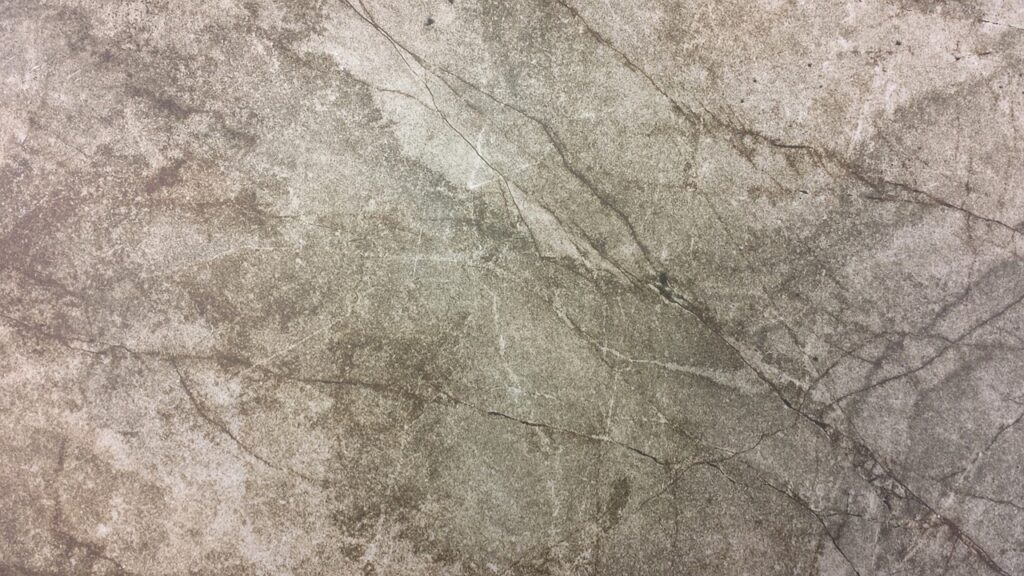
Effective Preparation for Successful Stucco Application
Before you begin the stuccoing process, it’s essential to properly prepare the surface. This step ensures that the new stucco adheres well and provides a long-lasting finish.
Thoroughly Clean the Surface
Start by thoroughly cleaning the old stucco surface. Remove any dirt, debris, or loose material with a stiff brush or broom. Use a pressure washer to get rid of difficult stains or accumulated grime. Make sure to clean the entire surface, paying extra attention to corners and crevices.
Repair Any Damaged Areas
Inspect the old stucco for any cracks, chips, or other damage. If you find any, it’s crucial to repair them before proceeding. Use a stucco patching compound and follow the manufacturer’s instructions to fill in the damaged areas. Smooth out the patched areas with a trowel and allow them to dry completely.
Remove Loose or Flaking Stucco
Check for any loose or flaking stucco. If you come across any, carefully remove it using a scraper or trowel. Be gentle to avoid causing further damage to the underlying surface. Once you have removed all loose or flaking stucco, brush off any remaining debris.
According to a study by the Portland Cement Association, proper surface preparation can extend the life of stucco by over 30%, highlighting the importance of these initial steps.
Understanding the Importance of Priming the Surface for Long-Lasting Results
Priming the old stucco is an essential step to ensure proper adhesion and long-lasting results.
Select the Best Primer for Stucco Surfaces
Select a high-quality primer specifically designed for stucco surfaces. Look for a primer that provides excellent adhesion and is compatible with the stucco texture and finish coat you plan to apply.
Apply Primer Evenly to the Old Stucco
Follow the manufacturer’s instructions to apply the primer evenly across the old stucco surface. Use a brush or roller to ensure thorough coverage. Allow the primer to dry completely before moving on to the next step.
Applying the Scratch Coat for Optimal Adhesion and Durability
The scratch coat creates a rough base for the stucco layers and improves adhesion.
Mix the Scratch Coat Material
Refer to the manufacturer’s instructions to mix the scratch coat material. Use a bucket and a mixer attachment for consistency. Ensure that the mixture has a workable consistency before applying it.
Spread the Scratch Coat on the Old Stucco
Using a trowel, spread the scratch coat evenly across the old stucco surface. Aim for a thickness of approximately 1/4 to 3/8 inch. Shape the scratch coat to create a textured surface that provides a good grip for the subsequent layers. Allow the scratch coat to cure for the recommended time before proceeding.
Installing the Reinforcing Mesh for Enhanced Durability
The mesh or lath helps reinforce the stucco and prevents cracking.
Select High-Quality Stucco Mesh
Choose a high-quality mesh or lath suitable for stucco applications. Ensure that the mesh is compatible with the size and style of the stucco you plan to use.
Secure the Mesh over the Scratch Coat
Using galvanized nails or staples, attach the mesh or lath securely to the scratch coat. Overlap the mesh edges by a few inches to ensure proper reinforcement across the entire surface. Make sure the mesh is evenly and firmly attached.
Applying the Brown Coat for a Smooth and Durable Foundation
The brown coat evens out the surface and provides a smooth foundation for the final texture.
Mix the Brown Coat Thoroughly
Follow the manufacturer’s instructions to mix the brown coat material. Use a bucket and a mixer attachment to achieve a consistent mixture.
Evenly Apply the Brown Coat
Using a trowel, apply the brown coat evenly over the mesh. Aim for a thickness of approximately 3/8 to 1/2 inch. Smooth out the surface as much as possible to achieve the desired texture during the final steps. Allow the brown coat to cure for the recommended time before moving on.
Creating the Perfect Texture for Your Stucco Finish
The texture gives your stucco its unique appearance and helps protect it from the elements.
Choose Your Desired Stucco Texture
Decide on the texture you want for your stucco surface. There are various options available, such as smooth, sand, or Spanish lace. Research different textures and consider the overall aesthetic of your home before making a decision.
Apply the Selected Texture Methodically and Evenly
Using a trowel or textured roller, apply the chosen texture to the cured brown coat. Follow the specific techniques for your selected texture, ensuring an even and consistent application across the entire surface. Take your time to achieve the desired look.
Curing and Drying Phases Critical for Longevity
Allowing the stucco to cure and dry properly is crucial for its longevity and durability.
Let the Stucco Cure Thoroughly
Refer to the manufacturer’s guidelines for the recommended curing time for your stucco. It typically takes several days to a week for the stucco to cure fully. Avoid any contact or disturbance during this period to ensure a strong and long-lasting finish.
Ensure an Adequate Drying Time
After curing, the stucco needs an adequate drying time before any further steps are taken. This can vary depending on weather conditions, but generally, it takes around two weeks for the stucco to dry completely. Avoid painting or applying any sealants until the stucco is thoroughly dry.
Painting the Stucco for Enhanced Beauty and Protection
Once the stucco is fully cured and dried, you can enhance its appearance by painting it.
Choose High-Quality Paint for Stucco
Choose a high-quality paint suitable for exterior stucco surfaces. Opt for a paint specifically designed to withstand the elements and provide long-lasting protection.
Prepare Stucco Surface before Painting
Clean the stucco surface to remove any dust or debris that may have accumulated during the curing and drying process. Use a pressure washer or a hose with a high-pressure nozzle. Allow the stucco to dry completely before applying the paint.
Apply Paint Evenly to the Stucco Surface
Follow the manufacturer’s instructions for the paint application process. Use a brush or roller for even coverage. Apply multiple thin coats, allowing each coat to dry completely before applying the next. Take your time to ensure a smooth, beautiful finish.
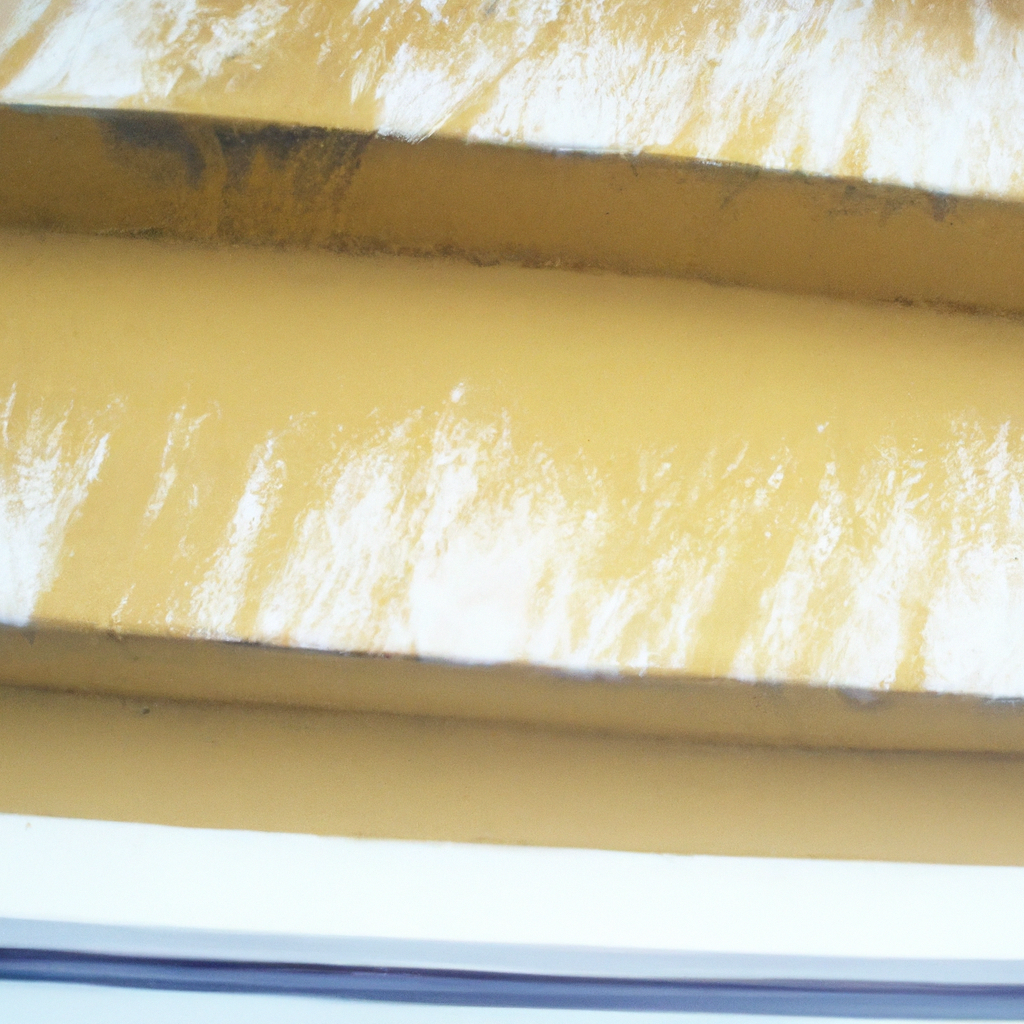
Ensuring Longevity through Regular Stucco Maintenance
To keep your stucco in great condition for years to come, regular maintenance is crucial.
Regularly Monitor for Cracks or Damage
Periodically inspect your stucco for any cracks, chips, or other signs of damage. Promptly address these issues to prevent further deterioration. Use a stucco repair kit to patch small damaged areas or consult a professional for larger repairs.
Perform Routine Cleaning and Upkeep
Clean your stucco regularly to remove dirt, dust, and mildew. Use a hose or pressure washer on a low setting and a soft brush to scrub away stubborn stains. Avoid using harsh chemicals or abrasive materials that can damage the stucco surface.
Important Considerations and Precautions Before You Start
Before embarking on your stucco-over-old-stucco journey, keep these considerations and precautions in mind.
Verify Local Regulations before Starting
Verify if there are any specific regulations, permits, or approvals required for stuccoing work in your area. It’s crucial to comply with local building codes to ensure a successful and legal project.
Seek Professional Guidance if Needed
If you’re uncertain about any aspect of the stuccoing process or encounter challenges along the way, don’t hesitate to seek professional guidance. Consulting a stucco contractor or an experienced professional can provide valuable advice and ensure a smooth and efficient project.
By following these step-by-step instructions and adhering to necessary precautions, you can successfully stucco over old stucco and transform the appearance and durability of your home. Enjoy your beautifully refreshed exterior that will last for years to come!
FAQ
Can new stucco be applied directly over old stucco?
Yes, you can apply new stucco over old stucco by following proper preparation and application steps. This includes cleaning, repairing, priming, and applying multiple stucco coats for durability.
Is priming essential before applying new stucco?
Priming the old stucco is crucial as it ensures better adhesion of the new stucco. A primer suitable for stucco surfaces will create a strong bond and help the new layers adhere more effectively.
How thick should the scratch and brown coats be?
The scratch coat should be about 1/4 to 3/8 inch thick, while the brown coat should be applied at a thickness of 3/8 to 1/2 inch. These layers form a solid foundation for the final texture layer.
How long does it take for the stucco to cure and dry?
The curing process can take several days to a week, depending on conditions. After curing, a further two weeks is usually required for the stucco to dry completely before any finishes like painting.
What are some common textures for stucco finishes?
Common stucco textures include smooth, sand, and Spanish lace. Each offers a distinct look, and you can choose based on your home’s architectural style and personal preference.
How often should stucco be maintained?
Regular inspection for cracks and routine cleaning every few months can keep your stucco walls in excellent condition. Addressing small issues promptly prevents more significant damage over time.
Do I need a permit for stuccoing over old stucco?
Local regulations may require permits for major renovation projects, including stucco application. Checking with local authorities ensures compliance with building codes and avoids potential legal issues.


