Last Updated: August 18, 2026
This post is essential for homeowners experiencing problems with their stucco wall surfaces. We will provide detailed information and procedures to tackle various stucco issues, ensuring your home’s exterior returns to its original state of beauty and durability.
Comprehensive Guide to Stucco Repair for Homeowners
Stucco is a popular choice for exterior finishes due to its durability and aesthetic appeal. However, like any other construction material, stucco can develop issues over time. Whether it’s cracks, water damage, or blistering, these problems need to be addressed to maintain the integrity and appearance of your stucco walls.

Step-by-Step Guide for Identifying Common Stucco Problems
Before you start repairing your stucco, it’s important to identify the specific issues you need to address. The most common problems with stucco include cracks, blistering, delamination, water damage, and corner damage.
Cracks are one of the most common issues with stucco. They can appear due to settling of the building, temperature changes, or poor construction. It’s crucial to identify the type of crack, as some may indicate more serious underlying issues.
Blistering occurs when bubbles or blisters form on the surface of the stucco. This can happen due to moisture trapped beneath the stucco or improper application techniques.
Delamination refers to the separation of the stucco layers, creating a hollow or loose area. Delamination can occur due to poor adhesive properties of the stucco or moisture-related issues.
Water damage is a serious issue that can lead to further deterioration if left unaddressed. Signs of water damage include staining, discoloration, or soft spots on the stucco surface.
Corner damage can occur due to impact, improper installation, or settling of the building. Damaged corners can compromise the strength and stability of the entire stucco wall.
Identifying these common stucco problems will help you determine the appropriate repair techniques and materials needed.
According to the National Association of Home Builders, proper maintenance and timely repairs can extend the lifespan of stucco surfaces by up to 25 years.
Essential Tools and Materials for an Effective Stucco Repair
To effectively repair your stucco, you’ll need a few essential tools and materials. Here’s a list of the items you’ll need:
- Safety equipment: Safety goggles, gloves, and a dust mask to protect yourself from flying debris and dust.
- Hammer and chisel: These tools are essential for removing damaged stucco and preparing the surface for repair.
- Wire brush: Use a wire brush to clean dirt, loose material, and debris from the area to be repaired.
- Stiff brush or broom: For applying stucco patching materials and smoothing the surface during repairs.
- Stucco patching compound: This material is used to fill cracks, holes, and damaged areas in the stucco.
- Acrylic bonding agent: A bonding agent improves the adhesion of the patching compound to the existing stucco.
- Trowel and putty knife: These tools are necessary for applying and smoothing the patching compound.
- Spray bottle or garden hose: Use water to dampen the stucco surface before applying the patching compound.
- Stucco finish coat: If you’re replacing a whole section of stucco, you’ll need a finish coat to match the existing texture.
- Paint or sealer: Once the repairs are complete, consider applying a weatherproof paint or sealer to protect the stucco.
Having these tools and materials ready will ensure that you can efficiently and effectively repair your stucco.
Detailed Process for Preparing the Stucco Surface for Repairs
Before you begin repairing your stucco, it’s essential to prepare the surface properly. Follow these steps to ensure a successful repair:
- Clean the area: Use a wire brush or broom to remove any loose debris, dirt, and dust from the damaged area. This will create a clean surface for the repair materials to adhere to.
- Dampen the surface: Spray water onto the stucco or use a garden hose to dampen the area to be repaired. This will prevent the stucco from absorbing moisture from the patching compound too quickly, ensuring a better bond.
- Remove loose stucco: Use a hammer and chisel to carefully chip away any loose or damaged stucco. Be cautious not to damage the underlying layers or the surrounding stucco.
- Apply a bonding agent: To enhance the adhesion of the patching compound, apply an acrylic bonding agent to the prepared surface. Follow the manufacturer’s instructions for the application process.
Properly preparing the stucco surface will result in a more durable and long-lasting repair.
Efficient Techniques for Filling and Patching Cracks in Stucco
Cracks in stucco can be unsightly and can also allow moisture to penetrate the underlying layers, causing further damage. Here’s a step-by-step guide to filling and patching cracks in stucco:
- Clean the crack: Use a wire brush or broom to remove any loose debris and dust from the crack.
- Dampen the crack: Spray water into the crack to dampen the surface. This will help the patching compound bond properly.
- Apply the patching compound: Using a putty knife or trowel, fill the crack with stucco patching compound, ensuring the crack is completely filled.
- Smooth the surface: Use a trowel or putty knife to level and smooth the patching compound. Feather the edges of the compound to blend it seamlessly with the surrounding stucco.
- Allow curing: Follow the manufacturer’s instructions for the curing time of the patching compound. It’s important to give it enough time to fully harden before proceeding with further repairs or finishes.
By following these steps, you can effectively fill and patch cracks in your stucco, restoring its appearance and preventing further damage.

Step-by-Step Instructions for Repairing Damaged Stucco Corners
Damaged corners in stucco walls can compromise the stability and aesthetic appeal of your exterior. Here’s how you can repair a damaged stucco corner:
- Remove loose stucco: Use a hammer and chisel to carefully remove any loose or damaged stucco from the corner area. Take care not to damage adjoining walls or surfaces.
- Dampen the surface: Spray water onto the prepared corner to dampen the stucco. This will improve the bond between the patching compound and the existing stucco.
- Apply bonding agent: Using a brush, apply an acrylic bonding agent to the corner, ensuring the entire area is coated.
- Shape the patching compound: Mix the stucco patching compound according to the manufacturer’s instructions. Shape the compound into a triangular or square form, matching the corner shape.
- Install the patch: Carefully press the patching compound into the corner, ensuring it reaches the desired depth. Smooth the surface with a trowel or putty knife.
- Allow curing: Follow the recommended curing time for the patching compound. It’s important to allow it to fully cure before proceeding with further repairs or finishes.
By following these steps, you can restore a damaged stucco corner, improving the overall appearance and integrity of your stucco walls.
Guidelines for Fixing Stucco Blistering and Delamination Issues
Blistering and delamination occur when the layers of stucco separate or bubble, detracting from the aesthetics of your exterior. Follow these steps to fix stucco blistering and delamination:
- Assess the extent of the damage: Determine the size and scope of the blistering or delamination. If the affected area is small, it can often be repaired without removing the entire stucco layer.
- Remove loose stucco: Use a hammer and chisel to carefully remove any loose or damaged stucco, taking care not to damage adjacent areas.
- Dampen the surface: Spray water onto the affected area to dampen the stucco surface. This will improve the bond between the patching compound and the existing stucco.
- Apply the patching compound: Fill the gap or blistered area with stucco patching compound using a putty knife or trowel. Ensure the compound is evenly applied and matches the surrounding stucco texture.
- Feather the edges: Use a trowel or putty knife to feather the edges of the applied patching compound to blend it seamlessly with the surrounding stucco.
- Allow curing: Follow the manufacturer’s instructions for the curing time of the patching compound. It’s important to give it enough time to fully harden before moving forward.
By completing these steps, you can successfully address blistering and delamination issues in your stucco, restoring its appearance and structural integrity.

Steps to Effectively Repair Stucco Water Damage
Water damage can cause serious issues with stucco walls, including mold growth, deterioration, and structural damage. Follow these steps to repair stucco water damage:
- Identify the extent of the water damage: Assess the damaged area to determine the severity of the water damage. Be sure to check for any underlying issues, such as leaks or improper drainage.
- Repair the underlying issue: Before repairing the stucco, address the source of the water damage. Fix any leaks, improve drainage, or address any other issues that may contribute to future water damage.
- Remove damaged stucco: Use a hammer and chisel to carefully remove the damaged stucco, ensuring you reach the solid, undamaged layers beneath.
- Dry the area: Allow the exposed area to dry completely before proceeding with repairs. Use fans or dehumidifiers to expedite the drying process if necessary.
- Apply a bonding agent: Apply an acrylic bonding agent to the prepared surface to enhance the adhesion of the patching compound.
- Fill the damaged area: Apply stucco patching compound to fill the damaged area, using a trowel or putty knife. Blend the compound seamlessly with the surrounding stucco.
- Allow curing: Follow the manufacturer’s instructions for the curing time of the patching compound, ensuring it is fully hardened before proceeding.
By addressing the water damage promptly and following these repair steps, you can restore your stucco walls and prevent future issues.
Guide to Replacing a Section of Stucco Effectively
In some cases, the damage to your stucco may be extensive enough to warrant replacing a whole section. Here’s a guide on how to replace a section of stucco:
- Identify the extent of the damage: Assess the damaged area and determine the size of the section that needs to be replaced. Consider hiring a professional if the damage is extensive or if you’re uncertain about the process.
- Remove the damaged section: Use a hammer and chisel to carefully remove the damaged stucco, cutting along the edges of the section that needs to be replaced. Take care not to damage adjacent areas.
- Prepare the substrate: Clean and prepare the underlying substrate. Ensure it is dry, free from debris, and in good condition. Make any necessary repairs or improvements to the substrate before proceeding.
- Apply bonding agent: Apply an acrylic bonding agent to the prepared substrate, ensuring it is evenly coated.
- Install the replacement stucco: Mix the stucco to match the existing texture and color. Apply a scratch coat to the prepared substrate, creating a rough surface for the final coat to adhere to. Install the replacement stucco, level it, and smooth the surface using a trowel.
- Cure and finish: Follow the recommended curing time for the stucco. Once cured, apply the finish coat to match the existing texture and color. Allow it to dry fully before considering any additional finishes or protective coatings.
Replacing a section of stucco requires precision and expertise. If you’re unsure about the process or the extent of the damage, it’s advisable to seek professional help.
How to Apply a Stucco Finish Coat Correctly
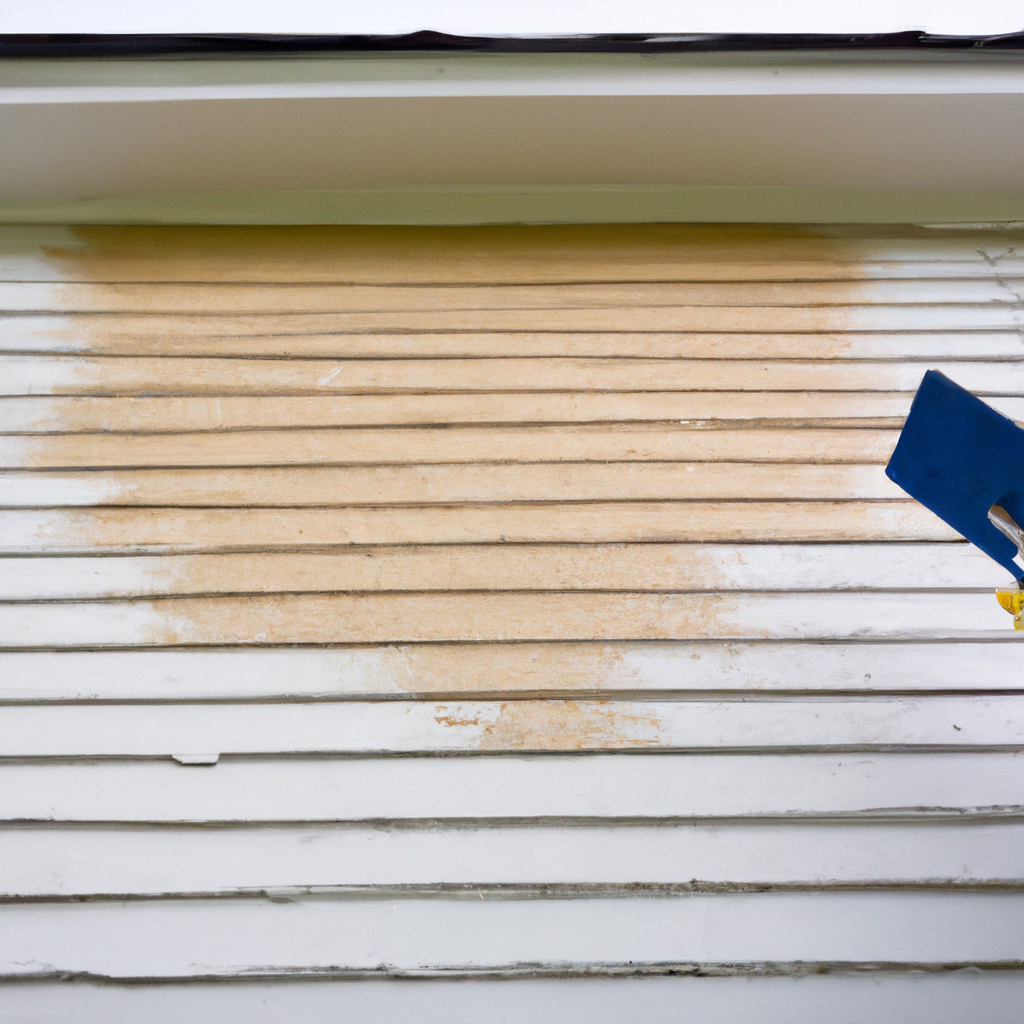
Once you’ve completed the necessary repairs, it’s time to apply a finish coat to your stucco. The finish coat not only adds aesthetic appeal but also provides protection from the elements. Here’s how to apply a stucco finish coat:
- Prepare the surface: Clean the repaired stucco surface, removing any loose debris or dust. Ensure the surface is dry before applying the finish coat.
- Mix the finish coat: Follow the manufacturer’s instructions to mix the stucco finish coat material. Use the recommended proportions of water and mix it thoroughly until you achieve a smooth consistency.
- Apply the finish coat: Using a trowel or hawk and trowel, start applying the finish coat to the repaired stucco surface. Work in small sections and apply an even layer, ensuring it matches the texture and thickness of the existing stucco.
- Create texture: To match the existing stucco texture, use a brush, sponge, or trowel to create the desired texture on the finish coat. Experiment on a small, inconspicuous area first to ensure a seamless match.
- Allow curing: Follow the manufacturer’s instructions for the curing time of the stucco finish coat. It’s important to give it enough time to fully dry and harden before considering any additional finishes or protective coatings.
By applying a stucco finish coat, you not only restore the appearance of your stucco but also provide an additional layer of protection against the elements.
Ensuring Proper Curing and Maintenance for Long-Lasting Stucco
Once you’ve completed the necessary repairs and finishes, it’s crucial to allow adequate time for the stucco to cure before exposing it to harsh conditions. Follow the manufacturer’s instructions for the recommended curing time, as it may vary depending on the specific repair materials used.
After the stucco has cured, regular maintenance is necessary to prolong its lifespan. Inspect the stucco periodically for any signs of damage, such as cracks or water infiltration. Address any issues promptly to prevent further deterioration.
Additionally, consider applying a weatherproof paint or sealer to the stucco surface every few years. This will provide an extra layer of protection and help maintain the stucco’s appearance and integrity.
In conclusion, repairing stucco requires attention to detail, proper tools, and materials. By identifying common stucco problems, preparing the surface properly, and following the appropriate repair techniques, you can restore your stucco walls to their original beauty. Remember to prioritize safety, take your time, and seek professional help if needed. With proper maintenance and care, your stucco will continue to provide durable and aesthetically pleasing protection to your home for years to come.
FAQs About Stucco Repair
What causes stucco to crack?
Stucco can crack due to several factors, including natural settling of the building, temperature fluctuations, or poor application techniques. Some cracks may signal more significant underlying structural issues, so it’s crucial to identify their cause quickly.
Can I repair stucco myself, or should I hire a professional?
Homeowners can often handle minor stucco repairs like small cracks or surface blisters. However, extensive damage, such as large areas of water damage or severe delamination, may require professional expertise to ensure a lasting repair.
How do I know if my stucco has water damage?
Signs of water damage in stucco include visible staining, discoloration, and soft spots on the stucco surface. Untreated water damage can lead to mold growth and further structural issues, so it’s important to address it promptly.
Is it necessary to seal stucco after repair?
Sealing stucco after repairs is a recommended step to protect the surface from moisture and UV damage. Applying a weatherproof paint or sealer not only enhances durability but also prolongs the aesthetic appeal of the stucco surface.
How often should stucco be inspected?
Stucco should be inspected at least once a year to check for any signs of deterioration or damage. Promptly addressing any issues found during these inspections will help maintain the materials’ durability and appearance.
What is the best method to clean stucco walls?
To clean stucco walls, use a garden hose with a gentle spray to remove dust and debris. For more thorough cleaning, a soft-bristle brush and a mixture of mild soap with water can be used, avoiding high-pressure washers to prevent surface damage.
What are the advantages of stucco over other exterior finishes?
Stucco is valued for its durability, fire resistance, and versatility in design. It offers excellent insulation, can be applied in a range of textures and colors, and is relatively low-maintenance compared to other exterior finishes.
📅 Last updated:
